Anhydrobiosis is an astounding strategy that allows certain insects, crustaceans, nematodes, rotifers and tardigrades to survive severe dry and/or extreme cold or hot conditions they often encounter. During anhydrobiosis the animal enters an almost completely desiccated state which stabilizes its membranes and other cellular structures, preventing otherwise lethal damage caused by environmental extremes. Thanks! Read... Continue Reading →
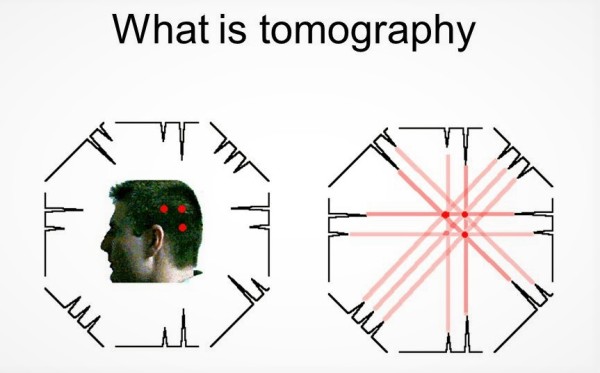
What is tomography?
Tomography is imaging by sections or sectioning, through the use of any kind of penetrating wave. The method is used in radiology, archaeology, biology, atmospheric science, geophysics, oceanography, plasma physics, materials science, astrophysics, quantum information, and other areas of science.
Tardigrades: the only animal that can survive in space
Tardigrades, discovered by Johann August Ephraim Goeze (1773), also known as water bears or moss piglets due to their watery habitats, are near-microscopic animals having long, pump bodies and scrunched-up heads. They have eight legs, and hands with four to eight claws on each. Their size varies from 0.05mm to 1.2mm long, usually they are... Continue Reading →